A Cultural Case: Sports - Building Bridges Between Sport and Culture
- FI Gesundheits- und Sportverein

- Sep 22, 2025
- 2 min read
Updated: Jul 30


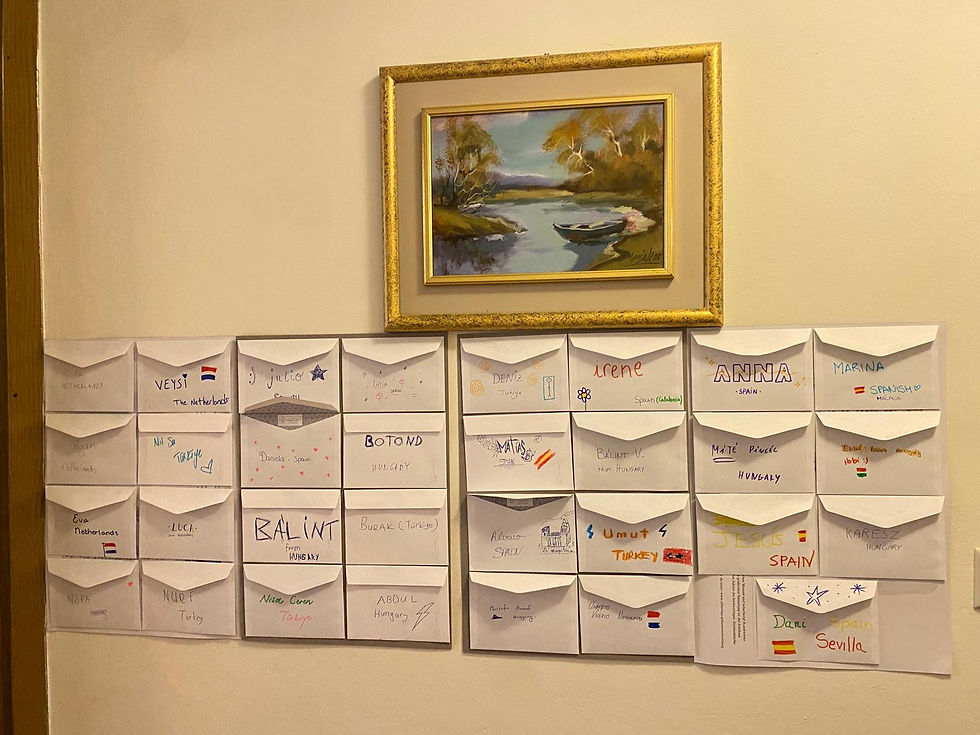
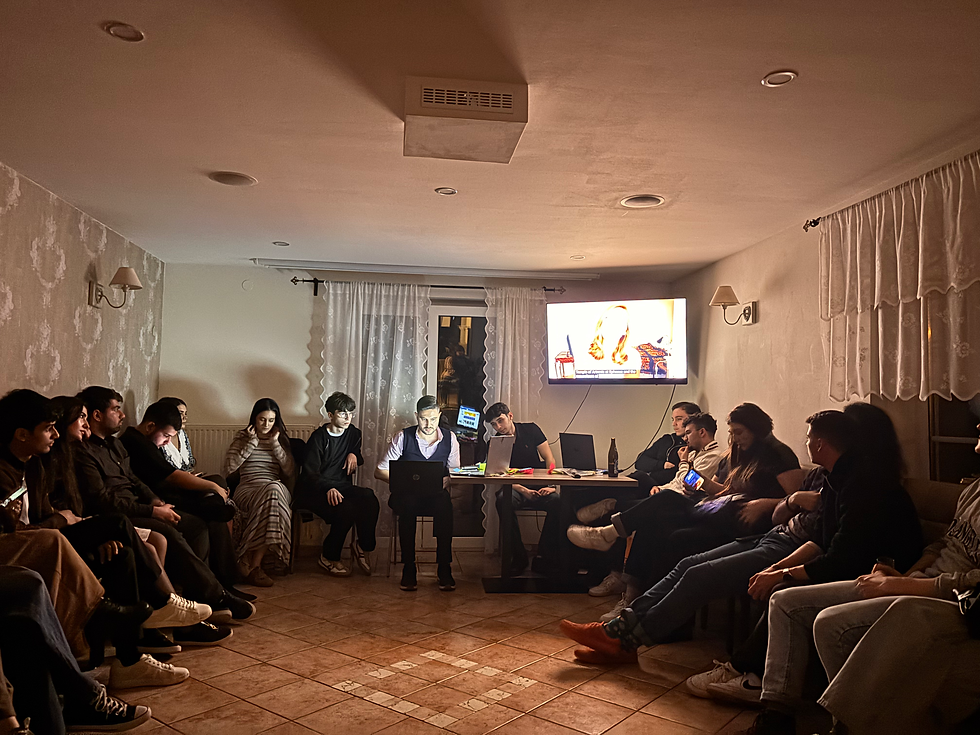
Coordinated by FI Gesundheits- und Sportverein, the Erasmus+ Mobility of Youth Workers project “A Cultural Case: Sports” (Project No: 2025-1-AT01-KA153-YOU-000299955) was implemented in Klagenfurt between 14–22 September 2025. Bringing together youth workers from Austria, Hungary, Netherlands, Spain, Türkiye, the project aimed to explore the cultural dimension of sport and highlight the influence of traditional sports on societies.
The project was developed to demonstrate that sport is not merely a physical activity but also an important reflection of a society’s history, lifestyle, values, and cultural heritage. By examining traditional sports that have become part of different national cultures, participants sought to better understand how culture shapes sporting practices and perspectives. The project also aimed to broaden participants’ views on sport and cultural diversity while encouraging healthier lifestyles and raising awareness about discriminatory and sexist approaches that may exist within the sports sector.
Throughout the project, youth workers explored the unifying social power of sport beyond its individual benefits and gained practical experiences that they can transfer to their future work with young people. Particular attention was given to introducing traditional sports that are gradually being forgotten and uncovering the cultural roots behind these activities. Through this process, participants developed a deeper appreciation for cultural heritage and its preservation.
In addition, the project addressed environmental sustainability, one of the key priorities of the Erasmus+ Programme. Alongside activities focused on sport and culture, participants took part in initiatives designed to raise awareness about recycling, waste management, and environmentally friendly practices, reinforcing the connection between active citizenship and sustainable living.
“A Cultural Case: Sports” stood out as an international learning experience that showcased the power of sport as a tool for intercultural dialogue while equipping youth workers with new methods, knowledge, and practical experiences. By the end of the project, participants were encouraged to disseminate the knowledge and skills they had gained within their local communities, helping to promote both cultural understanding and greater participation in sport among young people.