Critical Health Literacy: Strengthening Communication Skills

Updated: Jul 30

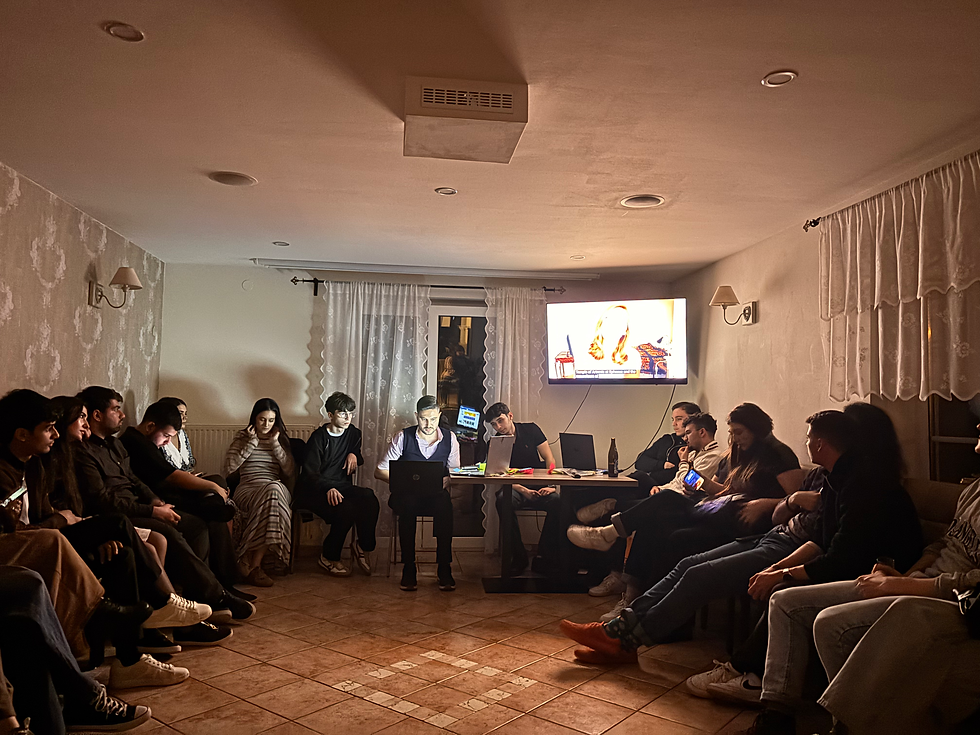
During the Critical Health Literacy project, implemented under the Erasmus+ Youth Workers Mobility programme (Project Code: 2025-3-AT01-KA153-YOU-000370372) between 17–24 March 2026, participants took part in an engaging workshop titled “Navigating Difficult Health Conversations.” The session focused on one of the most important yet often challenging aspects of youth work: communicating effectively with young people about sensitive health-related topics.
The project brought together youth workers from six partner organizations: Austria, Azerbaijan, Georgia, Hungary, Romania, Türkiye. Through a variety of non-formal education activities, participants explored innovative approaches to strengthening health literacy and supporting young people in making informed decisions about their well-being.
The “Navigating Difficult Health Conversations” workshop addressed a reality that many youth workers encounter in their daily practice. Young people often seek guidance on sensitive health issues, ranging from body image concerns and misinformation found online to unhealthy habits and emotional well-being challenges. While youth workers play an important supportive role, these conversations can be complex and require strong communication skills, empathy, and professional awareness.
To begin the session, participants reflected on difficult health-related conversations they had experienced or expected to face while working with young people. Through a collaborative process, the group identified a range of realistic scenarios that frequently arise in youth work settings. These included situations involving body image concerns influenced by social media, young people promoting questionable health trends, requests for advice beyond a youth worker’s professional expertise, and conversations that might reveal signs of unhealthy behaviors or potential eating disorders.
After selecting several relevant scenarios, participants moved into small international groups where they engaged in role-playing exercises. Each participant had the opportunity to step into the role of either a youth worker or a young person facing a particular challenge. Through these simulations, participants practiced responding to sensitive situations in a supportive, respectful, and professional manner.
Through role-playing, peer learning, facilitated discussions, and reflective practice, participants developed valuable tools that they can apply in their daily work. The workshop not only increased their confidence in handling challenging conversations but also reinforced the project's overall goal of promoting informed, responsible, and health-conscious communities.
By the end of the session, participants left with a deeper understanding of how meaningful communication can contribute to young people's well-being and how youth workers can serve as trusted guides in an increasingly complex health information landscape.