
Critical Health Literacy: Reflecting on a Week of Learning

Updated: Jul 30
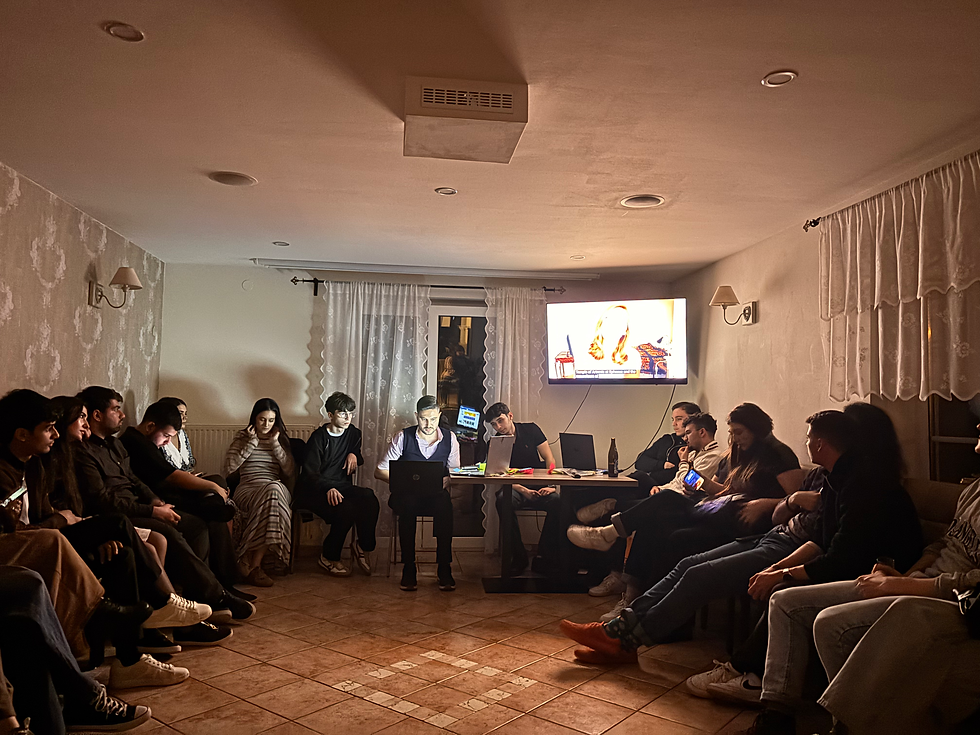
After six intensive days of learning, collaboration, and intercultural exchange, participants of the Critical Health Literacy project concluded their educational journey with a final round of reflections and evaluations. Implemented under the Erasmus+ Youth Workers Mobility programme (Project Code: 2025-3-AT01-KA153-YOU-000370372) between 17–24 March 2026, the project brought together youth workers from across Europe and neighboring regions to strengthen their competencies in critical health literacy and equip them with practical tools for supporting young people in an increasingly complex information environment.
The project was carried out through the cooperation of six partner organizations: Austria, Azerbaijan, Georgia, Hungary, Romania, Türkiye. Throughout the mobility, participants engaged in a diverse programme of workshops, discussions, simulations, group activities, and practical exercises designed to enhance both their professional and personal development.
A key element of the project was the emphasis on continuous reflection. At the end of each working day, participants completed structured evaluation and reflection activities through digital feedback tools. These daily reflections encouraged youth workers to assess their learning progress, identify valuable insights, share suggestions, and contribute to the ongoing improvement of the programme. Beyond providing feedback, the process also encouraged participants to critically examine their own learning experiences and connect newly acquired knowledge with their daily youth work practices.
Over the course of the project, participants explored a wide range of topics related to health literacy. They examined how young people access health information, how misinformation spreads online, and how critical thinking can help individuals evaluate the reliability of health-related content. Special attention was given to the role of digital media and technology in shaping health behaviors and perceptions.
Participants also developed practical skills for addressing real-life challenges faced by young people. Through role-playing activities and scenario-based learning, they practiced navigating difficult health conversations, responding to sensitive topics with empathy, and recognizing situations where professional support may be required. These activities strengthened participants’ communication skills and increased their confidence in supporting young people responsibly and effectively.
Another important focus of the project was digital well-being. Workshops such as “Balancing Online Health and Screen Time” encouraged participants to critically examine the relationship between health information, social media, and technology use. Together, they developed practical tools and strategies to help young people build healthier and more balanced relationships with digital platforms.
Throughout the week, participants benefited from non-formal education methods including experiential learning, peer learning, facilitated discussions, storytelling, reflective practice, role-playing, and collaborative problem-solving. These methods created a highly interactive learning environment where participants learned not only from facilitators but also from each other's experiences, perspectives, and professional backgrounds.
The importance of the Critical Health Literacy project lies in its relevance to contemporary challenges. Today’s young people are exposed to an unprecedented amount of health information through social media, websites, applications, and online communities. While access to information has never been easier, distinguishing reliable information from misinformation has become increasingly difficult. This makes critical health literacy an essential skill for both young people and those who support them.
By investing in the professional development of youth workers, the project contributes to a broader impact that extends far beyond the mobility itself. The knowledge, methodologies, and resources gained during the project will be transferred to local communities, organizations, and young people across the participating countries. In this way, the project helps create a multiplier effect, strengthening health literacy and promoting informed decision-making among a wider audience.
As the mobility comes to an end, participants leave with new competencies, stronger international networks, and a deeper understanding of how to support young people's health and well-being in a rapidly changing world. More importantly, they return to their communities equipped with practical tools and innovative approaches that will continue to generate positive impact long after the project has concluded.
The Critical Health Literacy project demonstrated that international cooperation, active participation, and non-formal education can play a powerful role in addressing modern health challenges. By empowering youth workers to become more confident, informed, and effective educators, the project has taken an important step toward building healthier, more resilient, and better-informed communities across Europe and beyond.


