A Cultural Case: Sports Highlighted the Connection Between Culture and Sport
- FI Gesundheits- und Sportverein

- Sep 25, 2025
- 2 min read
Updated: Jul 30

The Erasmus+ Mobility of Youth Workers project “A Cultural Case: Sports” (Project No: 2025-1-AT01-KA153-YOU-000299955), coordinated by FI Gesundheits- und Sportverein, continued its exploration of traditional sports and cultural heritage during its fourth and fifth days in Klagenfurt, Austria. Bringing together participants from Austria, Hungary, Netherlands, Spain, Türkiye, the project aims to demonstrate how sport reflects cultural identity and strengthens intercultural understanding.
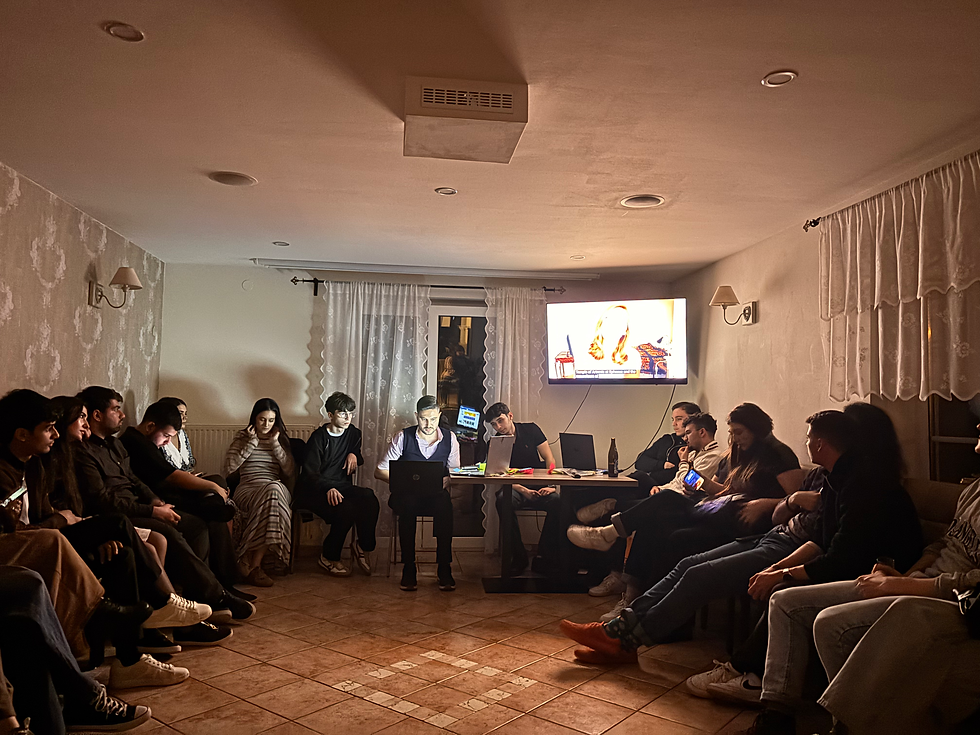
The fourth day focused on Austria’s traditional sporting heritage. Following the daily exercise session and sustainability activities, participants attended presentations introducing traditional Austrian sports and their role in local culture. They learned about Ranggeln, Kärntenringen, Status Tag, and Kegel, exploring their historical backgrounds and social significance. Through practical workshops, participants had the opportunity to experience Ranggeln and Kärntenringen firsthand, gaining a deeper understanding of how traditional sports contribute to preserving cultural identity and community values. The day concluded with a cultural festival and reflection sessions, encouraging participants to share their experiences and insights.
On the fifth day, attention turned to Hungary’s traditional sports and cultural practices. Participants were introduced to Csürközés and Karikás Ostor, two activities that hold an important place in Hungarian cultural heritage. Through presentations and discussions, they explored the historical origins of these traditions and their significance within Hungarian society. Practical activities enabled participants to directly engage with these cultural elements, transforming theoretical knowledge into hands-on learning experiences. Group discussions and evaluation sessions further encouraged the exchange of ideas about the role of sport in preserving traditions and promoting cultural diversity.
Across both days, participants gained valuable insights into how traditional sports serve as a bridge between past and present, helping communities preserve their heritage while fostering intercultural dialogue. The activities reinforced one of the project’s core objectives: demonstrating that sport is not only a physical activity but also a powerful cultural tool that connects people, strengthens social bonds, and promotes mutual understanding across borders.