Active Life, Active Future Youth Exchange Project – Activity-Based Learning and Outcomes
- FI Gesundheits- und Sportverein

- May 13, 2024
- 2 min read
Updated: Jul 30
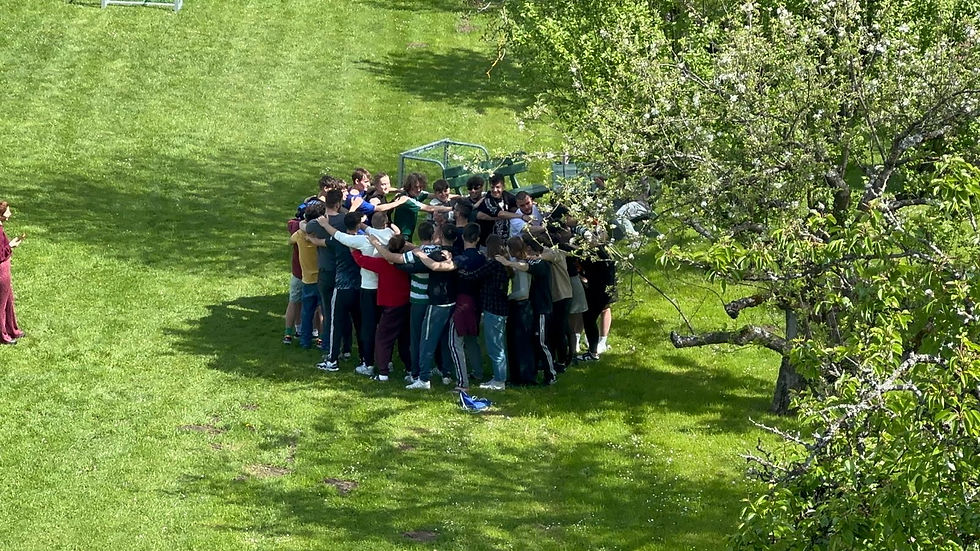


The Active Life, Active Future project (Project No: 2023-3-AT01-KA152-YOU-000177084) was a Youth Exchange implemented by FI Gesundheits- und Sportverein. It took place between 02.05.2024 and 08.05.2024 in Klagenfurt, Austria, bringing together young participants from Austria, Bulgaria, Czechia, Hungary, Italy, Türkiye. The main aim of the project was to raise awareness among young people about physical activity, social interaction, intercultural learning, and healthy lifestyles, while also strengthening their international cooperation skills.
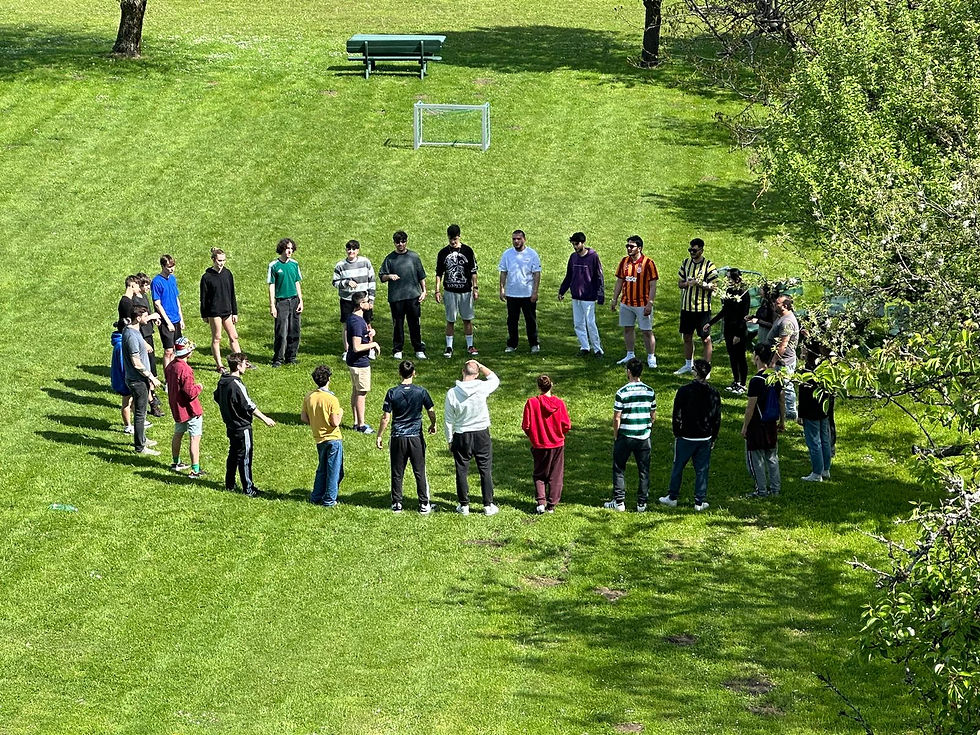
One of the first activities of the project was the “Run! Socialization Activity,” designed to help participants get to know each other quickly and start the day with more energy. Through interactive movement and group-based dynamics, participants engaged in physical activity while also learning each other’s names and improving communication. This activity created a sense of trust among the group, reduced communication barriers, and supported quick adaptation among young people from different countries. In addition, the physical activation helped participants maintain a more positive and solution-oriented mindset throughout the day.
Another key activity, the Mindful Colors Workshop, focused on creativity and idea generation by asking participants to design imaginary sports and discuss their possible benefits for human well-being. Participants expressed their individual ideas and then re-evaluated them within group discussions. This process helped young people see different perspectives, defend their ideas, and develop collaborative thinking skills. It also increased their awareness of the physical, mental, and social benefits of sports.
In the Social Research Experience activity, participants conducted a social experiment in Klagenfurt city center, taking on different roles such as observation, analysis, and documentation. While some participants were responsible for filming and recording, others directly observed public reactions. The collected data was later analyzed to discuss patterns of social behavior. This activity strengthened participants’ research skills, observation abilities, and their capacity to interpret real-life social interactions.
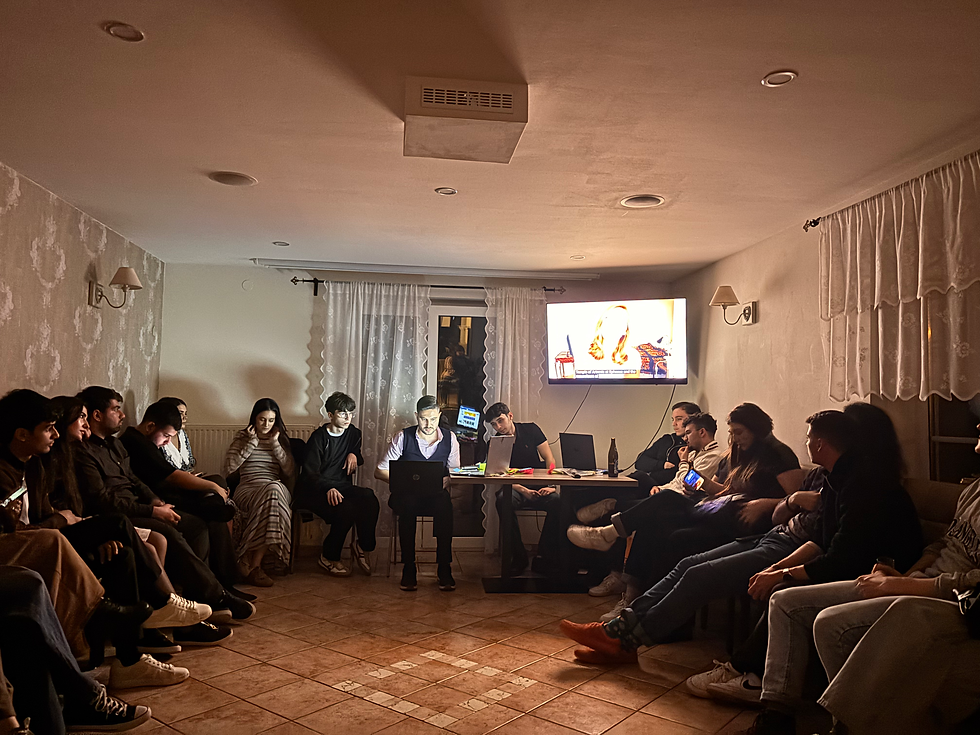
During the Culture Night activity, participants prepared presentations representing the sports culture of their own countries and shared them through visual storytelling. Working in groups, they both expressed their own cultural heritage and learned about the sports traditions of other countries. This activity enhanced intercultural interaction while also improving teamwork and creative expression skills. The overall process was continuously evaluated through daily feedback boxes and leaders’ meetings, ensuring ongoing reflection and improvement throughout the project.