Active Life, Active Future: Promoting Healthy and Active Living Through Youth Exchange
- FI Gesundheits- und Sportverein

- May 12, 2024
- 2 min read
Updated: Jul 30

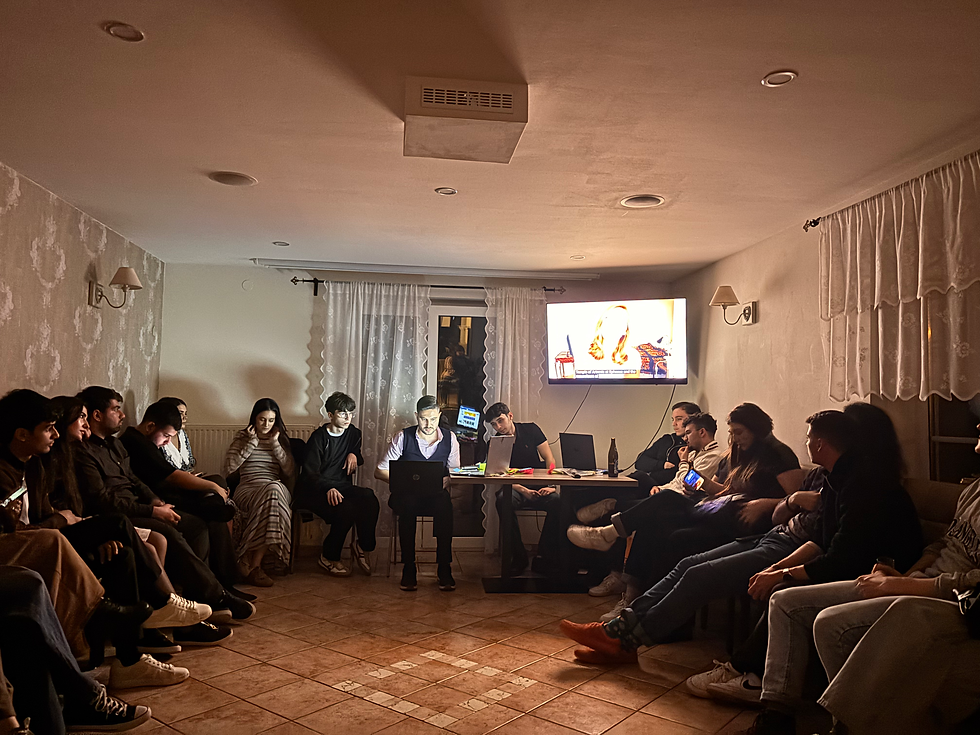
The "Active Life, Active Future" Erasmus+ Youth Exchange project (2023-3-AT01-KA152-YOU-000177084) was implemented in Klagenfurt, Austria between 02.05.2024 and 08.05.2024 by FI Gesundheits- und Sportverein. The project brought together young participants from Austria, Bulgaria, Czechia, Hungary, Italy, Türkiye aiming to strengthen intercultural cooperation, promote active lifestyles, and develop social, communicative, and personal competencies through non-formal education methods. Throughout the program, participants engaged in interactive, creative, and sport-based learning activities that encouraged teamwork, cultural awareness, and active participation.
The project began with highly interactive activities designed to help participants adapt to the group and build strong communication channels. In the International Card Game Night, participants created visual posters representing different countries by illustrating key cultural elements such as capital cities, currencies, languages, and national characteristics. These creative group tasks not only improved cultural knowledge but also strengthened memory, observation, and teamwork skills. The gamified structure encouraged friendly competition, while participants learned to communicate effectively and build connections in a multicultural environment.
Another key learning component focused on understanding the role of sports in psychosocial development through the Life Impact Symposium. Participants worked in groups to design concept cards for a taboo-style game based on sports branches, encouraging them to think critically and collaboratively. Later, they joined a guided discussion led by a sports coach, where the psychological and social benefits of physical activity were explored in depth. This activity helped participants understand how sports can reduce stress, improve social integration, and support mental well-being, especially for young people facing social challenges.
Creativity and awareness-raising were further developed through the Design Your Own Poster activity, where participants worked in pairs to create awareness posters using slogans and visual messages. This activity strengthened their ability to communicate ideas concisely and effectively through visual storytelling. By presenting their posters in an exhibition format, participants experienced how communication tools can be used for social impact and dissemination. The process also enhanced their creativity, planning skills, and teamwork abilities.
Environmental awareness and sustainability were addressed in the Sustainability Workshop: Calculating Your Carbon Footprint, where participants were introduced to climate-friendly lifestyle habits and the use of digital tools to measure environmental impact. Through interactive demonstrations and group-based station activities, participants explored how daily choices affect carbon emissions. They gained practical knowledge about sustainability and developed a stronger sense of environmental responsibility, encouraging them to adopt more eco-conscious behaviors in their daily lives.
The project concluded with cultural interaction and reflection-based activities, including Culture Night, where participants explored national sports and created short presentations and documentaries about their countries. This strengthened intercultural understanding and promoted tolerance and mutual respect among participants. Finally, daily reflection sessions and leader meetings ensured continuous evaluation of the learning process, allowing participants and leaders to assess progress, share feedback, and improve the quality of activities. Overall, the project successfully combined sports, creativity, culture, and sustainability to equip young people with valuable skills for personal growth and active citizenship.