
Health Myths Put Under the Spotlight in the Critical Health Literacy Project
- FI Gesundheits- und Sportverein

- Mar 27
- 4 min read

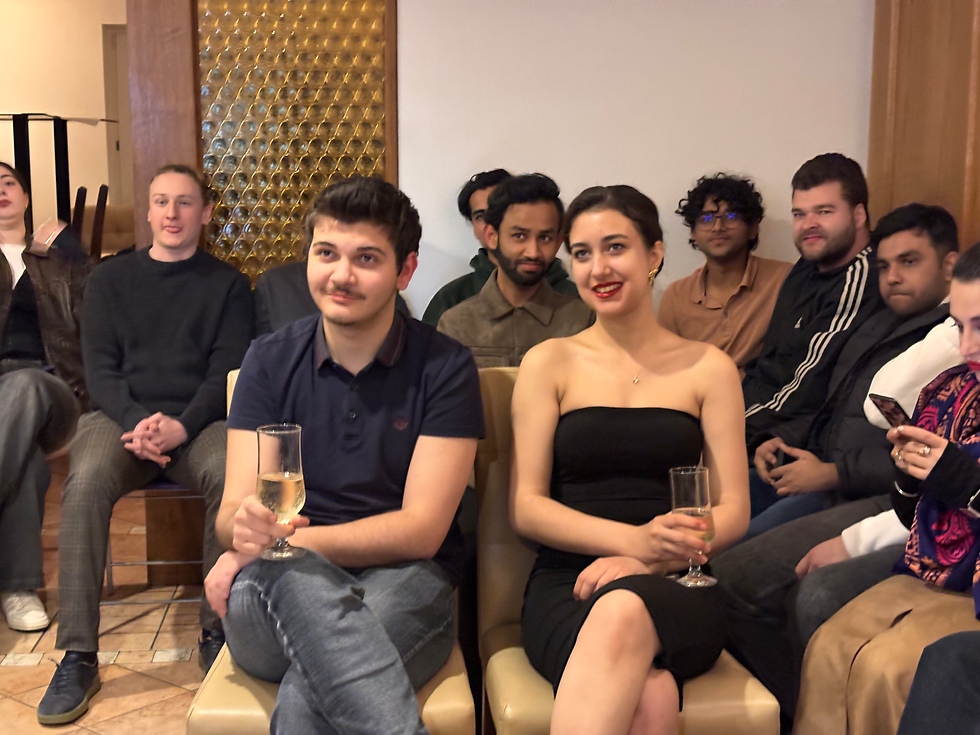


The Erasmus+ project “Critical Health Literacy” (Project Code: 2025-3-AT01-KA153-YOU-000370372) was implemented between 17 and 24 March 2026 under the Mobility of Youth Workers action. Hosted in Austria, the project brought together youth workers from six partner organizations with the shared goal of strengthening health literacy competencies and developing effective strategies to combat health misinformation among young people.
The partnership consisted of FI Gesundheits- und Sportverein (Austria), Gənclər Azad Sahibkarlıq Fəaliyyətində İctimai Birliyi (Azerbaijan), Debreceni Sport és Kulturális Központ (Hungary), Aktif Gençlik Platformu (Türkiye), Nuvoloq (Georgia), and S.C CYBERWARE CLOUD S.R.L (Romania). Throughout the mobility, participants engaged in a variety of educational activities designed to enhance critical thinking, media literacy, and evidence-based decision-making in relation to health information.
One of the project’s key learning days focused on understanding health misinformation and equipping youth workers with practical tools to address it. The day began with the session “Unmasking Health Myths and Miracle Claims,” coordinated by the Turkish team. The workshop opened with an interactive discussion in which participants shared examples of health trends, diet myths, and wellness advice commonly encountered by young people on social media and other online platforms. This exchange allowed youth workers to compare experiences from different countries and identify similarities in the types of misinformation affecting young audiences.
During the seminar, participants explored the common characteristics of health and fitness fads. Discussions focused on unrealistic promises of rapid results, the demonization of specific foods or food groups, the promotion of “one-size-fits-all” solutions, the reliance on personal testimonials rather than scientific evidence, and marketing strategies centered around selling products or supplements. Participants also examined the psychological factors that make such claims appealing, particularly among young people. Topics such as the attraction of quick fixes, the appeal of “secret knowledge,” and the exploitation of body image and health-related insecurities provided valuable insight into why misinformation spreads so easily.
Following the theoretical introduction, participants worked in small groups to analyze real-life examples of popular health myths and misleading health products. Detox diets, miracle exercise devices, and dietary supplements promoted with unsupported claims were examined in detail. Through guided discussions, participants assessed the language used to persuade consumers, evaluated the credibility of available evidence, and identified potential risks associated with these trends. The session concluded with the collaborative creation of a practical “Red Flags for Spotting Health Misinformation” checklist, providing youth workers with a valuable tool they can use in their future work with young people.
In the afternoon, participants took part in the “Mythbusters Mission” workshop, coordinated by the Romanian team. Building on the knowledge gained earlier in the day, this session focused on transforming critical thinking into practical educational activities that can be used directly with young people. Rather than simply telling young people what is true or false, the workshop encouraged participants to design engaging experiences that help young people discover the facts for themselves.
The session began with a brainstorming activity exploring creative ways to capture young people’s attention and encourage them to question common health myths. Participants generated a wide range of ideas, highlighting the importance of interactive learning, curiosity, and active participation when addressing misinformation.
Afterward, participants were divided into international working groups and challenged to select a common health myth such as “All fats are bad,” “You need to detox regularly,” “Carbohydrates make you gain weight,” or “Energy drinks are a good source of hydration during sports.” Each group was tasked with designing an interactive activity or educational resource that could help young people understand and debunk the chosen myth. The focus was on creating practical, engaging, and easily replicable tools that youth workers could implement in their own communities with minimal resources.
Throughout the design process, participants applied principles of creative problem-solving, design thinking, and user-centered learning. They worked collaboratively to develop innovative approaches that would encourage young people to question misinformation and make informed decisions about their health. The workshop provided an opportunity to combine creativity with educational objectives, resulting in a collection of practical resources tailored to the needs of young audiences.
At the end of the activity, each group presented its “Mythbusters Tool” to the rest of the participants. The presentations served as demonstrations of how the activities would function in real-life settings. Following each presentation, participants engaged in constructive peer feedback sessions, offering suggestions, sharing perspectives, and discussing possible improvements. This collaborative process allowed participants to refine their ideas while learning from the creativity and experiences of others. The final outcomes represented valuable resources that youth workers can directly use in their future educational activities.
Following the educational sessions, the Georgian team coordinated the Daily Reflections activity. Participants were invited to complete an anonymous evaluation through a Google Form, providing feedback on the day’s content, learning experience, group dynamics, and overall satisfaction. Open-ended questions encouraged participants to reflect on their most valuable learning moments, the activities they found most engaging, and suggestions for future sessions. This reflective process supported both personal learning and the continuous improvement of the project program.
The day concluded with a vibrant Cultural Night organized by the Hungarian and Turkish teams. Participants had the opportunity to share elements of their national cultures through traditional food, music, stories, customs, and presentations. The evening created a welcoming atmosphere where participants could learn about one another’s backgrounds while celebrating the diversity represented within the group.
Through cultural exchange, informal discussions, and shared experiences, participants strengthened relationships and built a deeper sense of community. The activity promoted intercultural learning, mutual understanding, and respect, while also providing an enjoyable and memorable end to a productive day of learning.
By combining critical analysis, practical resource development, reflection, and intercultural exchange, the Critical Health Literacy project continues to equip youth workers with the knowledge, skills, and tools needed to support young people in navigating today’s complex health information landscape. The methods and resources developed during the mobility will contribute to fostering more informed, resilient, and health-literate communities across Europe and beyond.


