Critical Health Literacy: Health, Media, and Social Influences
- FI Gesundheits- und Sportverein

- Mar 29
- 4 min read
Updated: Jul 30

The Erasmus+ KA153 Mobility of Youth Workers project “Critical Health Literacy” (2025-3-AT01-KA153-YOU-000370372) was implemented in Austria between 17 and 24 March 2026. Hosted by FI Gesundheits- und Sportverein (Austria), the project brought together youth workers from Azerbaijan, Georgia, Hungary, Romania, Türkiye.
The project aims to strengthen the health literacy competencies of youth workers, improve their ability to identify health misinformation, and equip them with practical methods to support young people in accessing reliable health information. The activities carried out on the third day approached health literacy from multiple perspectives, focusing on the social, environmental, ethical, and digital factors that influence health-related decisions.
The day began with “Motion Mix,” an energizing activity coordinated by the Hungarian team in the hotel garden. Participants started the day with a series of light fitness-inspired movements designed to create a positive atmosphere and encourage interaction among the group. Through enjoyable and inclusive exercises, youth workers had the opportunity to become more energized, connect with one another, and prepare for the day’s learning activities. The session highlighted the value of experiential and kinesthetic learning approaches within youth work.
The morning continued with the workshop “Visualizing Impact: Crafting Dissemination Banners and Posters,” facilitated by the Georgian team. During this hands-on activity, participants worked together to create visual materials that could be used to disseminate the project’s key messages and outcomes. The session began with a discussion about the most important messages emerging from the project and the target audiences they wished to reach. Working in international groups, participants designed posters and banners focused on themes such as health literacy, critical thinking, and youth well-being. The workshop encouraged creativity, teamwork, and visual communication skills while producing tangible materials that can support future dissemination efforts.
One of the key educational sessions of the day was “Beyond Personal Choice: Policy, Place, and Youth Well-being,” coordinated by the Hungarian team. The session explored how young people’s health behaviors are influenced not only by personal choices but also by broader environmental, social, and policy-related factors.
Using the Socio-Ecological Model as a framework, participants examined the impact of individual, interpersonal, community, and societal influences on health outcomes. Examples from different European countries were presented, including sugar taxes, school nutrition policies, access to safe recreational spaces, and regulations on food advertising aimed at children and young people. Participants compared practices from their own countries and discussed the factors that either support or hinder healthy lifestyles among young people. The session also encouraged reflection on youth participation, advocacy, and civic engagement as tools for promoting healthier communities.
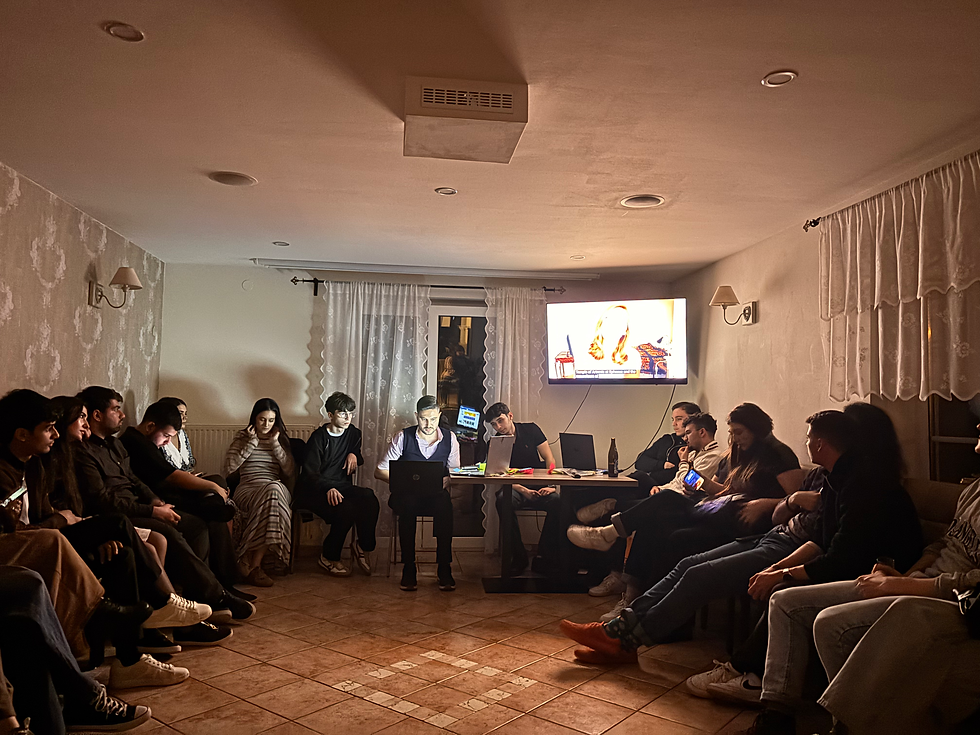
In the afternoon, participants attended “The Influencer Effect: Unpacking Social Media, Body Image and Youth Well-being,” a seminar facilitated by the Austrian team. The session focused on the impact of social media on body image, self-esteem, and overall well-being among young people. Participants analyzed content commonly encountered on platforms such as Instagram, TikTok, and YouTube, exploring how idealized lifestyles and body standards are constructed and promoted online.
The seminar also examined the business side of influencer culture, including sponsored content, brand partnerships, affiliate marketing, and other digital marketing strategies. Participants discussed the commercial motivations behind much of the content consumed by young people and reflected on the potential consequences for mental health and self-perception. Particular attention was given to issues such as body dissatisfaction, unhealthy comparison, self-esteem challenges, and disordered eating behaviors. The session concluded with practical strategies for promoting positive body image, media literacy, critical thinking, and self-compassion among young people.
The final educational activity of the day was “Ethical Compass: Guiding Responsible Health Talks with Youth,” coordinated by the Azerbaijani team. This seminar focused on the ethical principles that should guide youth workers when discussing health, nutrition, fitness, and well-being with young people.
Participants explored key ethical concepts including beneficence, non-maleficence, respect for autonomy, and justice. Through discussion and practical examples, they reflected on how these principles can be applied in youth work settings. The session also clarified the professional boundaries of youth workers, helping participants distinguish between providing general health education and situations that require referral to qualified health professionals. This discussion strengthened participants’ capacity to engage in health-related conversations in a responsible, safe, and ethical manner.
Following the educational programme, the Georgian team facilitated the daily reflection session. Through an anonymous Google Form, participants evaluated the day’s activities, reflected on their learning experiences, and provided feedback on the overall programme. The collected feedback will contribute to the continuous improvement of future project activities and ensure that the programme remains responsive to participants’ needs.
The day concluded with a Cultural Night coordinated by the Azerbaijani team. Participants shared aspects of their national cultures, including traditional food, music, customs, stories, and cultural traditions. The evening created an enjoyable and welcoming environment that encouraged intercultural dialogue and strengthened relationships among participants from different countries.
Through cultural exchange, informal conversations, and shared experiences, participants gained a deeper appreciation of the diversity within the group while building stronger personal and professional connections.
The third day of the Critical Health Literacy project demonstrated that health literacy extends far beyond individual knowledge and personal choices. By exploring the influence of social media, ethical considerations, environmental conditions, and public policies, participants gained a broader understanding of the factors that shape young people’s health decisions. The activities provided valuable knowledge, practical tools, and new perspectives that youth workers can apply in their future work to support healthier and more informed communities.