Critical Health Literacy: Exploring Digital Well-Being
- FI Gesundheits- und Sportverein

- Mar 28
- 3 min read
Updated: Jul 30

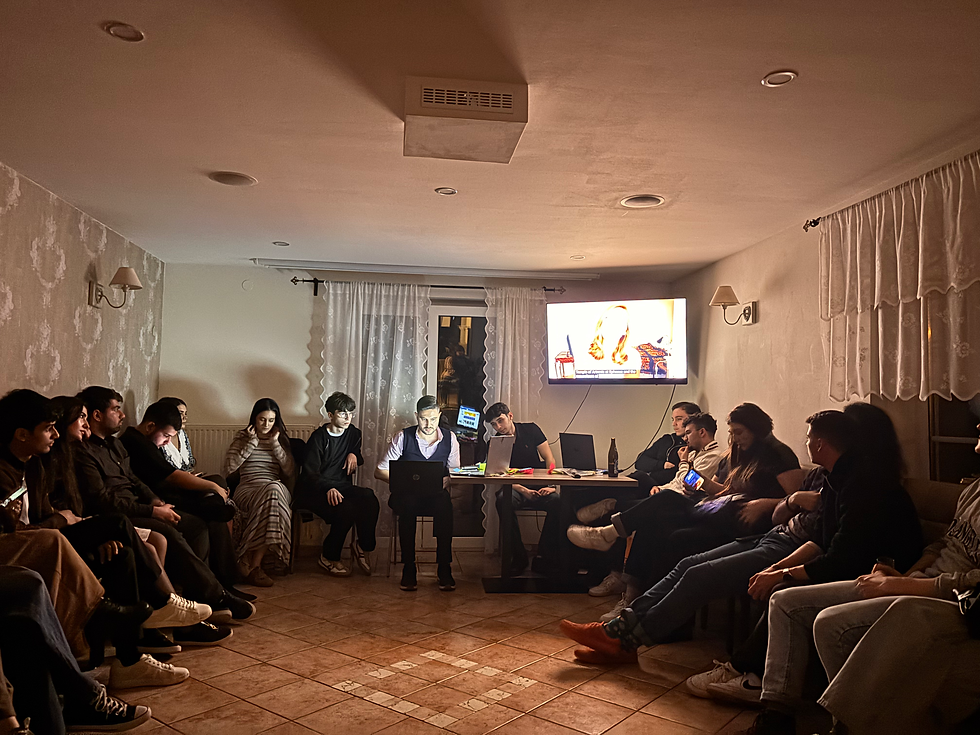
As part of the Critical Health Literacy project, implemented under the Erasmus+ Youth Workers Mobility programme (Project Code: 2025-3-AT01-KA153-YOU-000370372), participants continued their learning journey with an important workshop titled “Balancing Online Health and Screen Time.” Held during the mobility period between 17–24 March 2026, the session addressed one of the most relevant challenges facing young people today: maintaining a healthy relationship with online health information and digital technologies.
The Critical Health Literacy project brought together youth workers from six partner organizations:Austria, Azerbaijan, Georgia, Hungary, Romania, Türkiye. Throughout the project, participants explored practical methods for promoting health literacy, critical thinking, and informed decision-making among young people.
The “Balancing Online Health and Screen Time” workshop focused on a growing paradox of modern life. While the internet provides unprecedented access to health and fitness information, it can also expose individuals to misinformation, unhealthy comparison, excessive screen time, and anxiety-inducing content. Recognizing this challenge, the workshop aimed to equip youth workers with practical tools to support young people in developing a more balanced and mindful approach to digital health resources.
The session began with a reflective discussion about participants’ own experiences with online health information and the behaviors they commonly observe among young people. Participants identified and mapped various digital habits, including spending excessive time on fitness applications, constantly following health influencers, searching online for every minor symptom, and comparing personal progress with others through social media. By sharing these observations, the group created a collective picture of how digital health information is currently consumed and where potential risks may emerge.
Building on this discussion, participants explored both the advantages and challenges associated with health-related technologies. The workshop highlighted the many benefits of digital tools, including increased motivation, access to valuable health data, guided fitness routines, and opportunities to connect with supportive online communities. At the same time, participants critically examined concerns such as unhealthy social comparison, technology dependency, inaccurate interpretation of health data, privacy issues, and the risk of becoming disconnected from genuine physical and emotional well-being.
One of the most engaging parts of the workshop involved collaborative group work. Participants worked in small international teams to design practical Digital Health Check-In tools that could help young people reflect on their relationship with health-related technology. These self-assessment tools included guiding questions encouraging young people to consider how online health content affects their emotions, whether certain applications genuinely support their goals, and how they can recognize when it is time to disconnect from digital platforms and seek support through real-world interactions.
The groups also developed practical recommendations that youth workers can use in their daily practice. These strategies focused on promoting mindful technology use, encouraging critical evaluation of online health information, reducing excessive screen time, and supporting healthier digital habits among young people.
The importance of this workshop extends far beyond the project itself. Today's young people are growing up in an environment where health information is constantly available through social media, websites, applications, and digital communities. While this accessibility offers many opportunities, it also requires strong critical thinking skills and digital well-being awareness. Without these skills, young people may become vulnerable to misinformation, unrealistic health standards, or unhealthy digital behaviors.
For this reason, the workshop represented a key component of the Critical Health Literacy project. One of the project's main objectives is to strengthen youth workers’ ability to help young people navigate complex health information environments. By addressing digital well-being alongside health literacy, participants gained a more comprehensive understanding of how health decisions are increasingly influenced by technology and online content.
Through reflection, discussion, peer learning, and collaborative problem-solving, the “Balancing Online Health and Screen Time” workshop provided participants with practical knowledge and transferable tools that can be implemented within their local communities. As the Critical Health Literacy project continues to promote informed, responsible, and critical engagement with health information, activities such as this play a crucial role in preparing youth workers to support the well-being of young people in an increasingly digital world.