Critical Health Literacy: Day 5 Focused on Community Engagement and Health Literacy Awareness

Updated: Jul 30

The Erasmus+ KA153 Mobility of Youth Workers project “Critical Health Literacy” (Project Code: 2025-3-AT01-KA153-YOU-000370372) was implemented in Austria between 17–24 March 2026. Coordinated by FI Gesundheits- und Sportverein (Austria).
The main objective of the project is to strengthen the health literacy competencies of youth workers, support them in identifying and addressing health misinformation, and equip them with innovative methods to help young people access reliable health information. The fifth day of the project focused on bringing learning beyond the training room and into the local community through a series of practical outreach and dissemination activities.
The day began with “Motion Mix,” an energizing activity coordinated by the Hungarian team in the hotel garden. Through a series of light fitness-inspired movements and interactive exercises, participants started the day in an active and positive atmosphere. The activity encouraged physical engagement, strengthened group dynamics, and prepared participants for the field-based activities scheduled throughout the day. It also highlighted the value of experiential and kinesthetic learning methods in youth work.
The morning continued with “Community Interviews on Health Literacy,” facilitated by the Austrian team. This activity brought participants into direct contact with local community members in a nearby public park. Working in small international groups, youth workers conducted informal interviews with local residents to explore their perspectives on health information and health-related decision-making.
During the interviews, participants discussed topics such as where people obtain health information, the challenges they face in identifying trustworthy sources, and the influence of social media on health choices. At the same time, youth workers introduced the aims of the Critical Health Literacy project and raised awareness about the importance of critical thinking when navigating health information. The activity provided valuable first-hand experience in public engagement while offering insights into community attitudes toward health literacy.
Another important field activity of the day was “Health Snapshot.” Also conducted in the local park, this activity focused on gathering brief survey-based data from community members. Participants invited local residents to complete short anonymous surveys designed to explore health information habits, confidence in recognizing misinformation, and common areas of health interest.
The collected responses provided useful insights into local trends related to health information seeking and public awareness. In addition to strengthening participants’ data collection skills, the activity helped connect the project’s educational themes with real-life community experiences. It also served as an effective dissemination opportunity, allowing participants to introduce both the project and the Erasmus+ Programme to members of the public.
In the afternoon, participants took part in “Informal Discussions on Healthy Living & Information,” another community engagement activity coordinated by the Austrian team. Using the banners and posters created during previous project sessions, youth workers initiated friendly conversations with local residents about healthy lifestyles, reliable health information, and the growing influence of digital media on health-related decisions.
These informal exchanges created opportunities for meaningful dialogue in a relaxed and accessible environment. Participants practiced adapting their communication styles to different audiences while promoting the key messages of the project. Community members were encouraged to reflect on the importance of health literacy and were introduced to the opportunities created through international cooperation projects supported by Erasmus+.
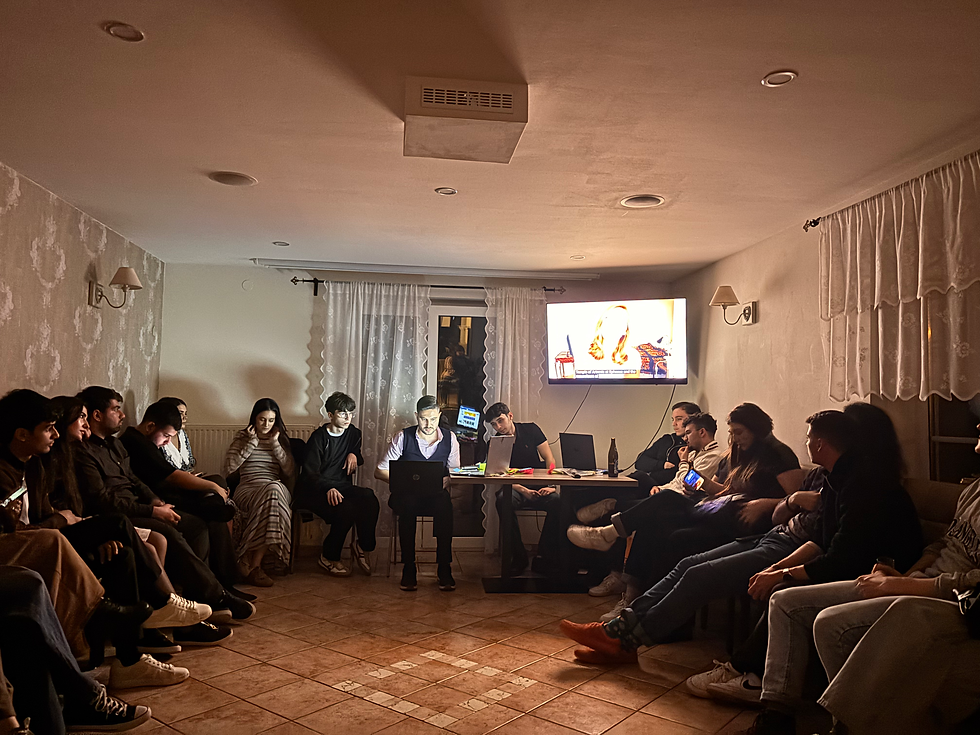
Following the field activities, participants gathered for the daily evaluation session facilitated by the Georgian team. Through an anonymous online feedback form, youth workers reflected on their learning experiences, assessed the effectiveness of the day’s activities, and shared suggestions for future sessions. The reflections provided valuable feedback for the coordinating team and supported the continuous improvement of the learning programme.
The day concluded with a Cultural Night organized by the Romanian team. Participants shared elements of their national cultures, including traditional food, music, stories, customs, and cultural traditions. The evening created a welcoming atmosphere that encouraged intercultural dialogue, mutual understanding, and stronger connections among participants from different countries.
Through cultural exchange and informal interaction, participants gained a deeper appreciation of Europe’s cultural diversity while strengthening the friendships and professional relationships developed throughout the project.
The fifth day of the Critical Health Literacy project demonstrated the importance of bringing health literacy beyond educational settings and into real community environments. Through interviews, surveys, public discussions, and dissemination activities, participants had the opportunity to transform theoretical knowledge into practical experience while increasing public awareness of health literacy and the Erasmus+ Programme. The day highlighted the value of community engagement as a powerful tool for promoting informed health decisions and fostering healthier, more resilient communities.