
Popular Sports Around the World: How Different Cultures Shape Athletic Traditions
- FI Gesundheits- und Sportverein

- Mar 27
- 2 min read
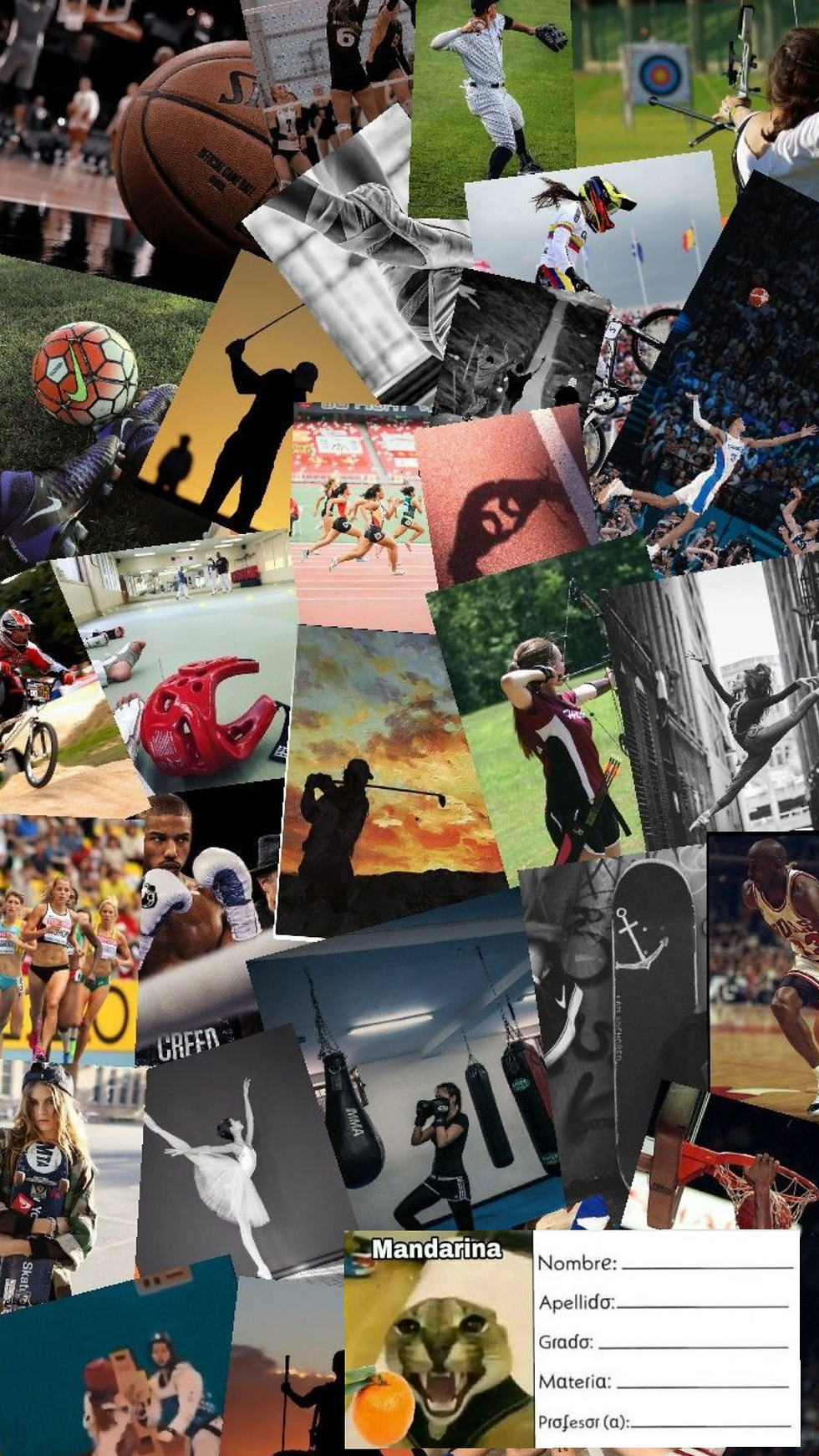
Sport is one of the most universal forms of human expression, yet the types of sports people engage in vary significantly across cultures. These differences are shaped by geography, history, climate, and social traditions. Understanding which sports are popular in different regions helps us see how sport also acts as a form of cultural identity and connection.
In Europe, football (soccer) dominates as the most popular sport, both professionally and recreationally. Countries such as Spain, Germany, and England have deeply rooted football cultures supported by strong club systems and youth development programs. In addition to football, sports like basketball, tennis, and cycling also have a significant following, often supported by structured school and community systems.
In North America, American football, basketball, and baseball are central to the sporting culture. These sports are closely tied to school and university systems, especially in the United States and Canada. Professional leagues such as the NBA and NFL play a major role in shaping national identity and creating widespread engagement across different age groups.
In Asia, sports diversity is particularly wide. In countries like Japan, baseball and martial arts such as judo are highly popular, reflecting both Western influence and traditional cultural practices. In China, table tennis and badminton are widely played at both amateur and professional levels. Meanwhile, cricket dominates in South Asia, especially in countries like India and Pakistan, where it is more than a sport, it is a national passion.
Africa has a rapidly growing sports culture, with football being the most widely played and followed sport across the continent. At the same time, athletics, especially long-distance running, has brought international recognition to countries like Kenya and Ethiopia. Traditional games also remain important in many communities, reflecting local heritage and social bonding practices.
In South America, football is deeply embedded in everyday life, particularly in countries such as Brazil and Argentina. It is not only a sport but also a cultural phenomenon that influences music, social life, and national pride. In addition, sports like volleyball and martial arts are also gaining popularity, especially among younger generations.
These global differences in sports preferences highlight how culture and physical activity are closely interconnected. Sports serve as a bridge between tradition and modernity, while also creating opportunities for international dialogue and understanding. For organizations working in youth development and intercultural exchange, sports offer a powerful tool to bring people together across borders.
Ultimately, exploring sports across cultures shows that while games may differ, the values they promote,teamwork, discipline, respect, and cooperation, remain universal. This shared foundation is what makes sport such an effective platform for cultural dialogue and youth engagement worldwide.


